
Blog
Crystal Meth Effects Explained

Introduction
Crystal meth is a highly potent stimulant that affects the central nervous system. It is the crystalline form of methamphetamine and is known for producing an intense but short-lived feeling of energy and euphoria. Because of its powerful effects, crystal meth has a high potential for dependence and can cause serious physical, mental, and social consequences.
This article explains what crystal meth is, how it affects the body and brain, the health risks associated with its use, available treatment options, and ways to prevent stimulant misuse.
What Is Crystal Meth?
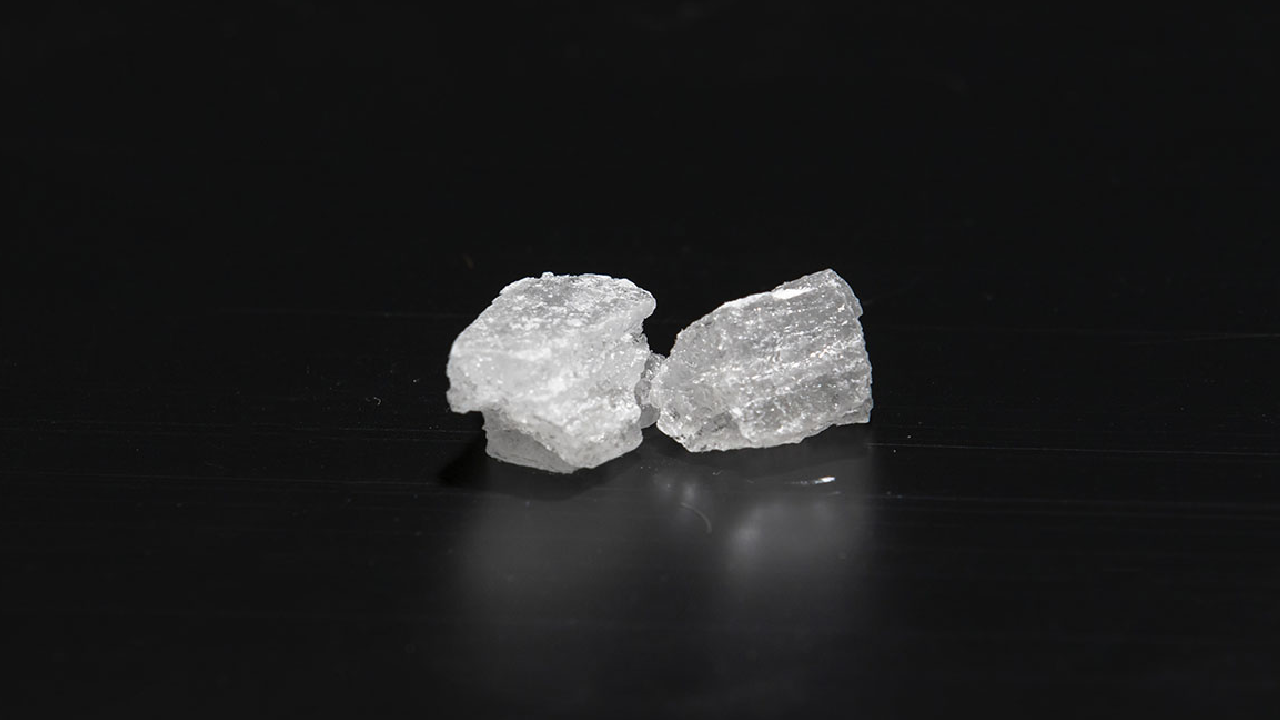
Crystal meth is an illegal stimulant drug that speeds up activity in the brain and nervous system. It is typically found as clear or bluish crystals or as a white crystalline powder.
Common methods of use include:
- Smoking
- Snorting
- Injecting
- Swallowing
The drug can produce immediate feelings of increased energy and alertness, but these effects come with significant health risks.
How Crystal Meth Affects the Brain
Crystal meth causes a large release of dopamine, a brain chemical involved in motivation and reward. This creates intense feelings of pleasure but also places extreme stress on the brain.
Short-term effects may include:
- Increased energy
- Elevated heart rate
- Reduced appetite
- Heightened alertness
- Restlessness
- Difficulty sleeping
- Increased body temperature
Repeated use can alter normal brain function and contribute to long-term cognitive and emotional difficulties.
Health Risks of Crystal Meth
Long-term use of crystal meth can affect nearly every organ system.
Physical Health Risks
Potential complications include:
- High blood pressure
- Heart problems
- Severe weight loss
- Dental damage
- Skin sores
- Increased risk of stroke
- Kidney and liver complications
Mental Health Effects
Crystal meth use may also contribute to:
- Anxiety
- Depression
- Aggressive behavior
- Memory problems
- Difficulty concentrating
- Hallucinations or paranoia in some individuals
Signs of Crystal Meth Dependence
Common signs may include:
- Strong cravings
- Using the drug repeatedly despite harmful consequences
- Neglecting work, school, or family responsibilities
- Significant changes in sleep patterns
- Rapid weight loss
- Social withdrawal
Dependence is a medical condition that benefits from professional treatment.
Overdose and Medical Emergencies
A crystal meth overdose can be life-threatening.
Warning signs may include:
- Chest pain
- Difficulty breathing
- Extremely high body temperature
- Seizures
- Confusion or severe agitation
- Loss of consciousness
Emergency medical care should be sought immediately if these symptoms occur.
Treatment and Recovery
Recovery from crystal meth addiction is possible with appropriate care and ongoing support.
Treatment may include:
Medical Assessment
Healthcare professionals evaluate physical and mental health needs before developing a treatment plan.
Behavioral Therapy
Evidence-based counseling helps individuals understand addiction, build coping skills, and reduce relapse risk.
Support Programs
Support groups, family involvement, and long-term recovery planning can improve treatment outcomes.
Healthy Lifestyle Changes
Regular exercise, balanced nutrition, adequate sleep, and stress management can support recovery.
Preventing Stimulant Misuse
Prevention strategies include:
- Learning about the risks of stimulant drugs
- Encouraging healthy coping mechanisms for stress
- Seeking professional help for mental health concerns
- Supporting community education and prevention programs
Conclusion
Crystal meth is a powerful stimulant that can have serious effects on physical health, mental well-being, and daily life. Early recognition of problematic use, access to evidence-based treatment, and long-term support can help individuals recover and improve their overall quality of life. Education and prevention remain important tools for reducing the harms associated with stimulant misuse.