Blog
Heroin Effects And Risks


Introduction
Heroin is a powerful and highly addictive opioid drug derived from morphine, a natural substance extracted from the seed pods of certain poppy plants. It affects the brain and body rapidly, creating intense feelings of euphoria while also carrying serious health risks. Due to its high potential for dependence and overdose, heroin remains a major public health concern in many parts of the world.
This article explains what heroin is, how it affects the body, the dangers associated with its use, available treatment options, and ways to prevent opioid misuse.
What Is Heroin?
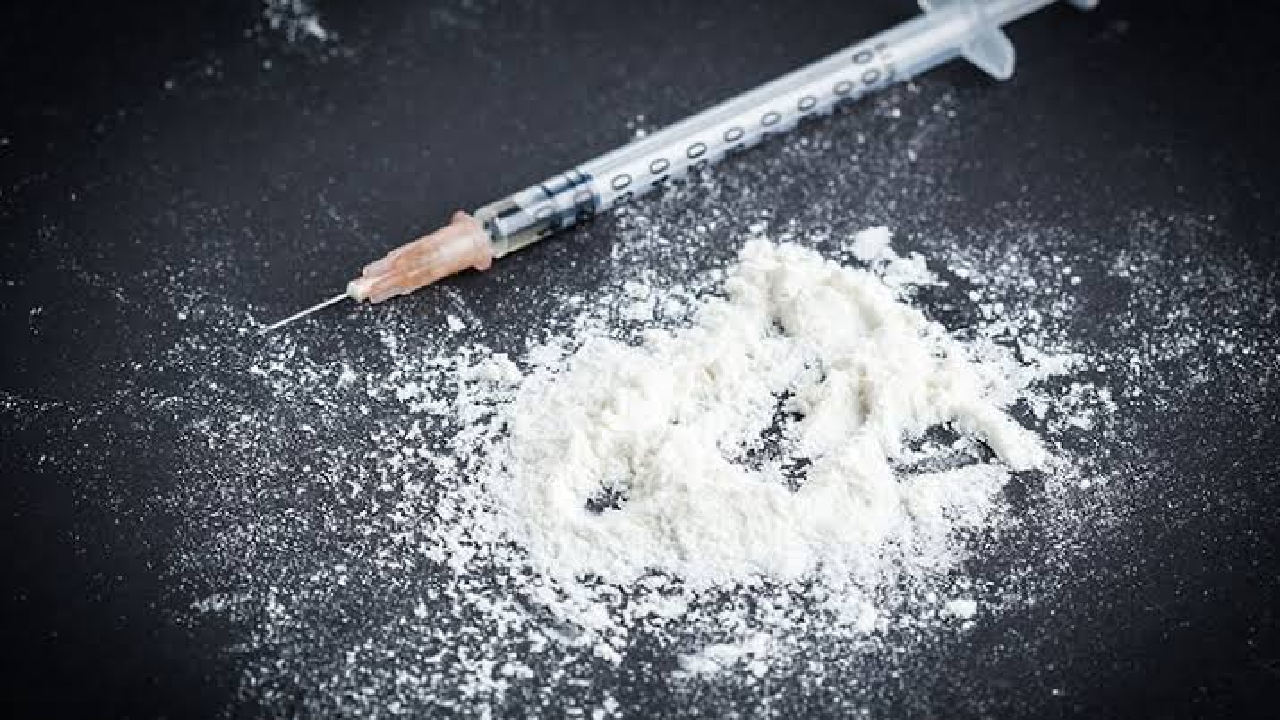
Heroin is an illicit opioid that acts on the brain’s opioid receptors, producing pain relief, relaxation, and a sense of pleasure. It is commonly found as a white or brown powder or as a black, sticky substance known as “black tar heroin.”
People may use heroin in different ways, including:
- Injection
- Smoking
- Snorting
Each method carries its own health risks, with injection increasing the risk of bloodborne infections.
How Heroin Affects the Brain
When heroin enters the body, it is rapidly converted into morphine. It binds to opioid receptors in the brain, especially those responsible for pain, reward, and breathing.
Short-term effects may include:
- Intense euphoria
- Relaxation
- Drowsiness
- Reduced pain perception
- Slowed breathing
- Nausea or vomiting
- Dry mouth
Repeated use changes brain chemistry, making it increasingly difficult for individuals to stop using the drug without medical support.
Health Risks of Heroin Use
Heroin use can lead to severe physical and mental health complications.
Physical Health Risks
Long-term heroin use may contribute to:
- Respiratory problems
- Chronic constipation
- Collapsed veins from repeated injections
- Liver and kidney complications
- Heart infections
- Skin abscesses and infections
Sharing needles significantly increases the risk of infections such as HIV and hepatitis B and C.
Mental Health Effects
Heroin dependence may also affect mental well-being by contributing to:
- Depression
- Anxiety
- Poor concentration
- Mood changes
- Social isolation
Signs of Heroin Dependence
People experiencing heroin dependence may show signs such as:
- Strong cravings
- Needing larger amounts to achieve the same effect
- Withdrawal symptoms when not using
- Difficulty fulfilling responsibilities at work, school, or home
- Continuing use despite harmful consequences
Dependence is a medical condition that often requires professional treatment.
Heroin Overdose
A heroin overdose is a medical emergency.
Possible warning signs include:
- Very slow or stopped breathing
- Blue or gray lips and fingernails
- Pinpoint pupils
- Loss of consciousness
- Inability to wake up
- Weak or absent pulse
Immediate emergency medical assistance is critical. In many situations, the medication naloxone can temporarily reverse an opioid overdose while emergency care is on the way.
Treatment for Heroin Addiction
Recovery is possible with appropriate medical care and long-term support.
Treatment often includes:
Medical Detoxification
Medical supervision helps manage withdrawal symptoms safely.
Medication-Assisted Treatment (MAT)
Healthcare providers may prescribe approved medications that help reduce cravings and withdrawal symptoms.
Behavioral Therapy
Counseling and evidence-based therapies help individuals understand addiction, develop healthier coping strategies, and reduce the risk of relapse.
Support Programs
Peer support groups, family involvement, and ongoing counseling can improve long-term recovery outcomes.
Preventing Opioid Misuse
Preventing heroin addiction involves education, awareness, and access to healthcare.
Helpful prevention strategies include:
- Learning about the risks of opioid misuse
- Following prescription instructions carefully
- Safely storing and disposing of medications
- Seeking medical help early if opioid dependence develops
- Supporting community education and prevention programs
Social Impact of Heroin
Heroin addiction can affect not only individuals but also families and communities. It may contribute to financial hardship, strained relationships, reduced productivity, and increased healthcare costs. Expanding access to prevention, treatment, and recovery services can help reduce these broader impacts.
Conclusion
Heroin is a highly addictive opioid associated with serious health risks, including dependence, overdose, and long-term physical and mental health complications. Understanding how heroin affects the body, recognizing the signs of addiction, and knowing that effective treatment is available are important steps toward reducing harm. With timely medical care, evidence-based treatment, and ongoing support, many people are able to recover and rebuild healthy, productive lives.