
Blog
How Long Does Heroin Stay in Your System?

Heroin breaks down first into 6-monoacetylmorphine (6-MAM) — a metabolite unique to heroin, detectable in urine for roughly 8 hours and then into morphine, which persists for days. This two-stage breakdown is why a test can sometimes tell heroin use apart from prescription opioid use, but only in a narrow early window.
Why the timeline varies
Frequency and amount. As with most drugs, repeated heavy use extends clearance — urine detection stretches from a day or two toward a week.
Metabolism, liver and kidney function. Heroin’s metabolites are processed by the liver and cleared through the kidneys. Reduced function in either slows the timeline.
Body composition, age, and hydration all shift the ranges modestly. No supplement or “flush” meaningfully accelerates it.
- Individual metabolism, body mass, and usage history are the primary determinants in how quickly substances are cleared from the system.
- Different diagnostic modalities, such as urinalysis or hair follicle testing, provide widely varying windows of detection.
- Heroin undergoes rapid metabolic conversion into morphine, which is the primary marker identified in most standard laboratory screenings.
- Organ function, specifically renal and hepatic health, significantly influences the rate of metabolic elimination.
- Accessing qualified medical and behavioral healthcare providers is the clinical standard for addressing substance-related health concerns.
Physiological Factors Influencing Heroin Detection
When evaluating the duration a substance remains detectable, it is necessary to examine the process as a complex biological system. The duration a substance persists in the human body is not a static figure; it is defined by individual biological markers and the metabolic processing of the substance.
1.Individual metabolic rates and body mass
Human metabolic rates determine the efficiency at which the body catabolizes biochemical compounds. Individuals with higher body mass or diminished metabolic function may experience an extended clearance period for systemic metabolites compared to those with higher metabolic rates.
2.Frequency and duration of opioid exposure
Chronic exposure to opioids can lead to the sequestration of metabolites in adipose tissue and result in the upregulation or downregulation of specific enzymatic pathways. Frequent use can alter metabolic throughput, thereby extending the detection window relative to a single, isolated instance of exposure.
3.Chemical composition and purity
The purity of a substance influences the intensity of physiological effects and the rate at which the body converts the primary compound into secondary metabolites. Higher concentrations of active ingredients necessitate more robust metabolic activity for elimination.
4.Liver and kidney health status
The liver and kidneys act as the primary biological filtration system. Pre-existing renal or hepatic impairment reduces the body’s capacity to clear metabolites from circulation, often leading to prolonged detection windows in clinical tests.
5.Diagnostic Modalities and Detection Windows
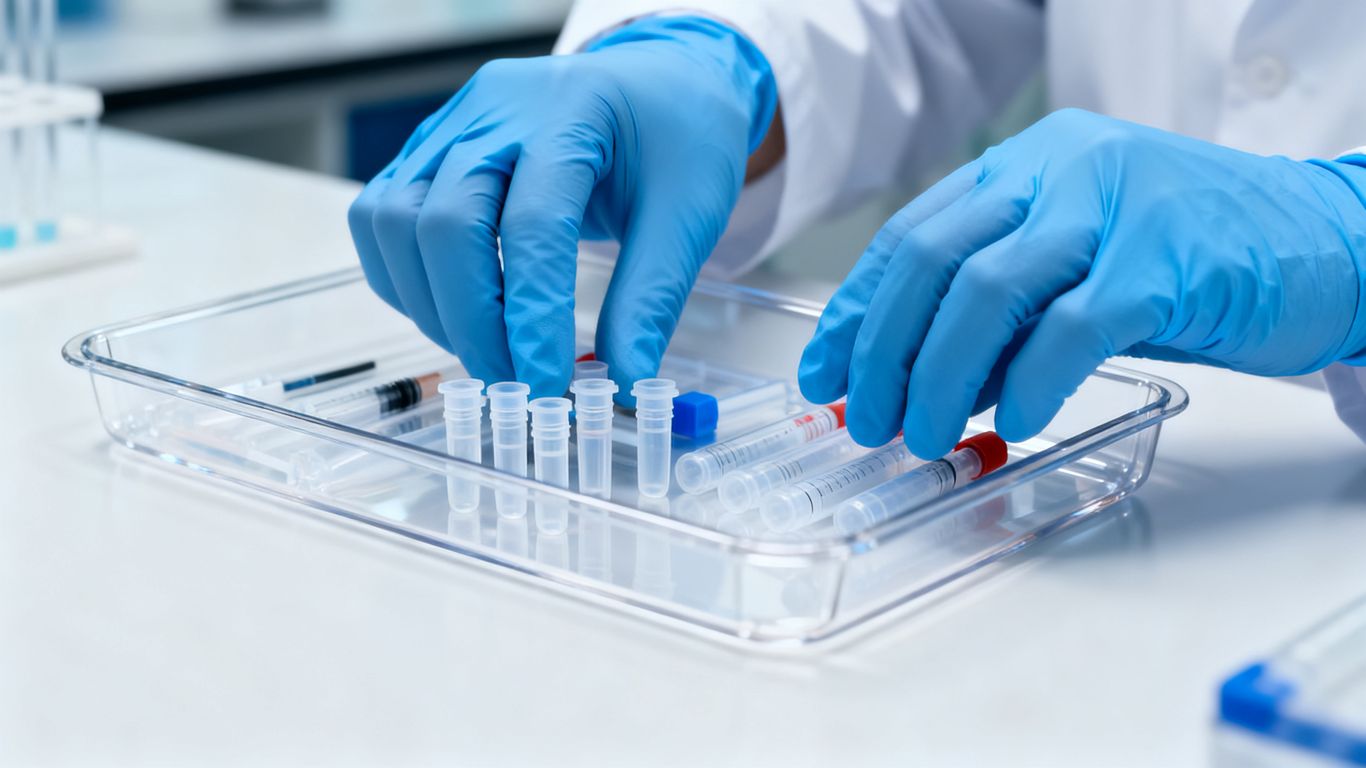
Selecting a diagnostic technique depends on the clinical necessity and the required window of observation. Understanding the technical sensitivity of modern screenings is essential for accurate clinical interpretation.
6.Urine and blood test sensitivity
Urinalysis is standard in clinical practice as it detects the presence of metabolites excreted by the renal system. Blood testing provides a higher degree of temporal accuracy, identifying very recent ingestion, typically within a window of a few hours.
7.Saliva and oral fluid screening
Oral fluid tests are utilized for their efficiency in detecting immediate, recent usage, typically within a 24-hour period. These are often employed when rapid verification of recent intake is required.
8.Hair follicle testing for longitudinal data
Hair follicle analysis allows for a retrospective assessment of substance exposure over several months. As the hair shaft grows, metabolites are incorporated into the structure, providing a record of exposure long after the substances have been cleared from the bloodstream.
9.Limitations of rapid diagnostic testing
Rapid diagnostic kits are prone to variance in sensitivity. Clinical reliance should be placed on verified, laboratory-grade chromatography and mass spectrometry to ensure diagnostic accuracy, minimizing the risk of false results.
Metabolic Pathways of Heroin
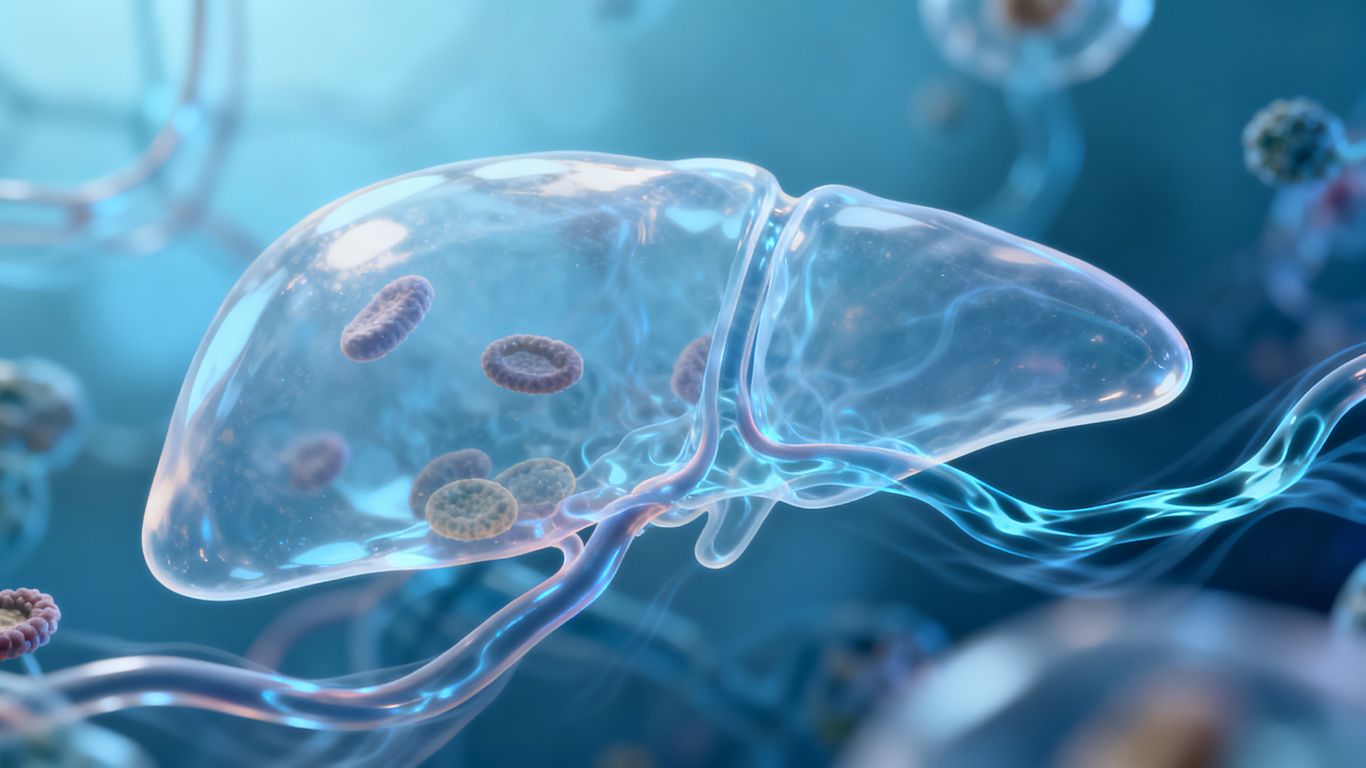
The metabolic process involves the predictable, stepwise conversion of complex molecules by the liver into compounds that can be safely excreted by the body.
Conversion from heroin to morphine
Upon entering the body, heroin is rapidly de-acetylated into 6-monoacetylmorphine and subsequently into morphine. Morphine serves as the primary metabolic indicator for most standard clinical screenings, as the original compound possess a short half-life.
Blood-brain barrier permeability
Heroin is characterized by high lipophilicity, which allows it to cross the blood-brain barrier rapidly. This facilitates immediate physiological distribution and subsequent access to the liver for metabolic processing.
Hepatic involvement in elimination
| Process Step | Primary Action |
|---|---|
| Metabolism | Hepatic conversion to morphine |
| Circulation | Systemic distribution to tissues |
| Excretion | Renal removal via urine |
Consistent physiological monitoring and internal health maintenance are critical for proper metabolic function.
Excretion via the urinary system
The final stage of elimination occurs through the renal system, where metabolites are cleared from the blood into urine. This stage serves as the primary focus for most standard medical screenings.
Clinical Comparison of Opioids
Pharmacokinetics vary significantly between opioid substances, depending on binding affinity and half-life. Understanding these differences is essential for clinical diagnosis and treatment planning.
Pharmacokinetic variations
Substances with short half-lives are eliminated from systemic circulation significantly faster than extended-release clinical formulations. This difference is critical for clinicians evaluating patients currently under supervised treatment protocols.
Impact of polydrug use
The consumption of multiple substances simultaneously can cause metabolic competition within the liver, potentially delaying the hepatic clearance of all substances involved compared to isolated intake.
Synthetic contamination
The presence of synthetic additives in substances significantly alters the expected metabolic pathway, complicating standard diagnostic procedures and health risk assessments.
Understanding synthetic opioid contamination
Clinical testing should be viewed as an evidence-based tool for informing treatment outcomes and patient health management.
Risks associated with drug testing and dependency
Long-term opioid use can lead to systemic organ damage, which further impairs the body’s metabolic efficiency. Addressing the underlying physiological damage is as important as managing withdrawal symptoms.
Assessment protocols
Recognizing the indicators of physical dependence is necessary for early medical intervention. Professional addiction care, including behavioral and pharmacological support, is the established standard of care for achieving sustainable recovery.
FAQ
Why does withdrawal start while heroin is still detectable?
Tests detect metabolites, not active drug. Heroin’s active effects end within hours, so the brain begins withdrawal 6 to 12 hours after the last dose even though urine tests stay positive for days.
Can a test tell heroin apart from prescription painkillers?
Only briefly. The metabolite 6 MAM is unique to heroin but detectable for roughly 8 hours. After that, tests show morphine, which can also come from prescription opioids or, in rare cases, poppy seeds.
Will a standard drug test detect fentanyl mixed into heroin?
No. Standard opioid panels do not detect fentanyl. It requires a specific fentanyl test. Because most street heroin now contains fentanyl, a negative routine screen does not rule out dangerous opioid exposure.
Is it safe to detox from heroin at home?
It is strongly discouraged. While withdrawal itself is rarely fatal in healthy adults, dehydration is a real risk, and the biggest danger is fatal overdose after relapse at reduced tolerance. Medical detox with buprenorphine or methadone is safer and far more likely to succeed.
Can eating poppy seeds cause a positive opioid test?
It is possible. Poppy seeds contain trace morphine and codeine, and heavy consumption can trigger a positive on sensitive tests. Labs use confirmation testing and cutoff levels to reduce false positives. Tell the test administrator if you have eaten poppy seed products recently.
Does Suboxone or methadone show up as heroin on a test?
No. Buprenorphine and methadone are detected by their own separate panels, not the standard opioid screen. Treatment medications will not be mistaken for heroin use on a properly run test.
How long does heroin withdrawal last?
Symptoms typically begin 6 to 12 hours after the last dose, peak around days 2 to 3, and largely ease within about a week. Sleep problems, low mood, and cravings can persist for weeks, which is why treatment should not stop at detox.
Conclusion
Substance detection is a multifactorial process dictated by biological and pharmacokinetic variables. Clinical decisions should be guided by laboratory results and the advice of healthcare professionals, rather than individual speculation. Utilizing evidence-based treatment resources remains the most effective approach to ensuring long-term health.