
Blog
How Long Does Cocaine Stay in Your System?

Key Takeaways
At heroin for sale UK , we understand that health is a lifelong focus, whether you are managing the well-being of a companion animal or considering the physiological impacts of substances on the human body. Understanding how substances are processed is essential for maintaining health and safety, and being well-informed remains the best approach to personal wellness.
- Cocaine is a fast-acting stimulant that breaks down into metabolites shortly after ingestion.
- Urine screens remain the most common method for detecting recent usage over several days.
- Hair follicle tests can identify historical use within an extended 90-day window.
- Individual metabolic rates, liver function, and general hydration status significantly influence systemic clearance.
- Understanding the specific cutoff levels and testing methods is helpful for interpreting results accurately.
Metabolism and detection timeframes
The body’s processing of cocaine
When cocaine enters your system, it undergoes rapid transformation as the body attempts to break it down. Enzymes in the liver and blood stream convert the drug into inactive substances that are eventually excreted through the kidneys. Because the drug is metabolized with remarkable speed, the actual stimulant effects felt by the user are quite fleeting.
Short-term versus long-term storage
While the psychoactive effects vanish shortly after use, the body continues to store remnants in various tissues. This happens because the substance is lipid-soluble, allowing it to migrate into fatty tissues and even the hair shaft over time. Recognizing this storage behavior is important for understanding why the cocaine metabolites half life is not the only metric used to determine if a person has used the substance.
Primary metabolites used for identification
The most common substance tested to confirm recent ingestion is benzoylecgonine. This specific byproduct persists far longer than the parent molecule, making it the standard target for laboratory analysis in most toxicology screens. Laboratories rely on this marker to define the cocaine detection window because its stability provides more reliable data than looking for the parent drug alone.
Cocaine detection in urine samples
Typical window of detection
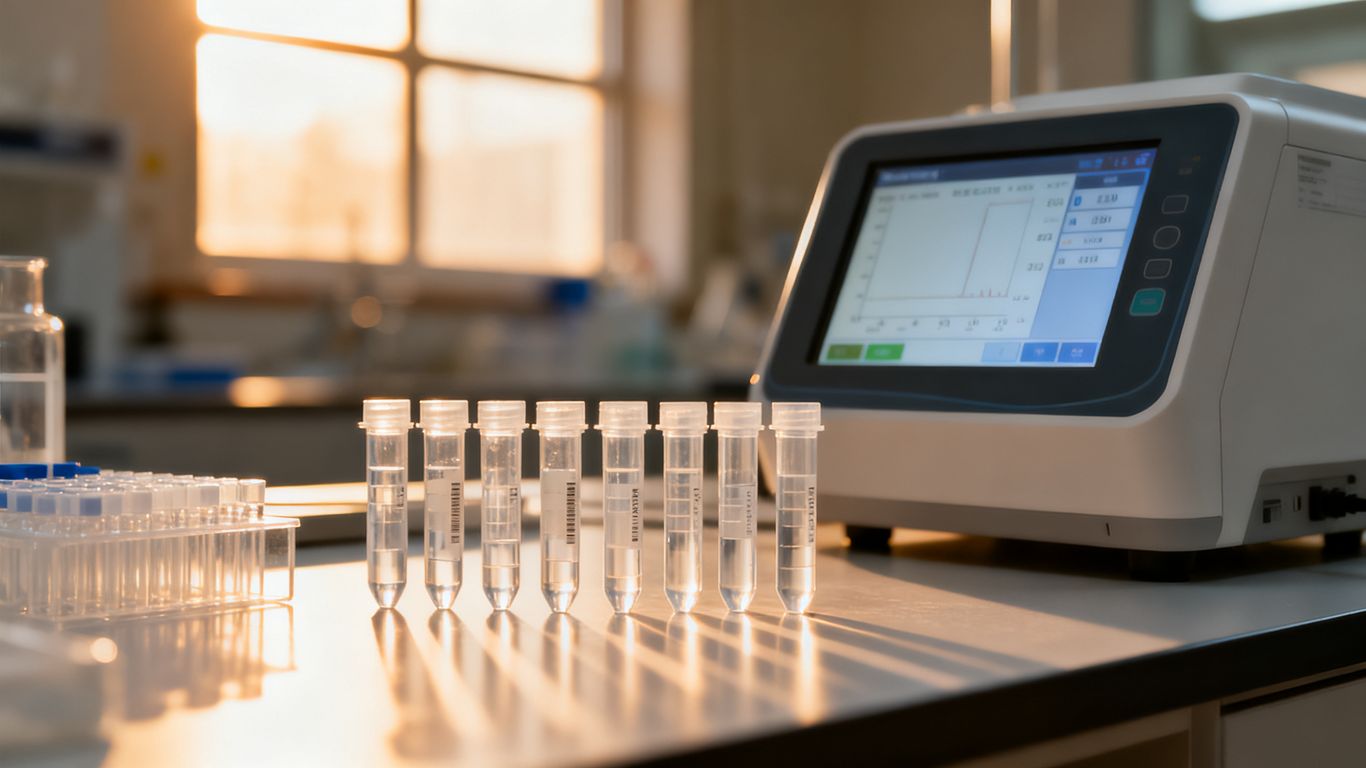
The duration during which a person might wonder how long does coke last in urine typically falls within a three-to-five-day timeframe for moderate users. While the high itself lasts only minutes, the waste products linger in the renal system as they wait to be flushed out. Most professional screenings utilize this medium because it balances cost, accuracy, and ease of collection.
Factors affecting urine concentration
Several physical attributes determine the actual concentration of metabolites in a sample, which can impact whether a test reaches its threshold. If you are curious about what influences these values, consider these core biological factors:
- Frequency of usage over previous weeks
- Total volume consumed in a single session
- The individual’s current state of hydration
- Overall liver and kidney efficiency
These variables mean that two people with the same history might produce different results depending entirely on their internal physiology.
Why urinalysis is the preferred screening method
Urinalysis remains the gold standard for many industries because it is non-invasive and provides a reliable retrospective look at drug use. At Blue Eyes Husky Pups, we value professional standards in every field, and similarly, medical testing professionals rely on the consistency of urine panels to maintain accurate data. This utility, alongside a relatively rapid turnaround time, keeps it at the forefront of modern toxicology.
Rapid dissipation in the bloodstream
Because cocaine is cleared from the blood so quickly, blood tests are effectively only useful for identifying consumption that happened within the last few hours. The substance is rapidly distributed throughout the central nervous system, and by the time a test is performed, the levels may already have plummeted below the limit of detection. This brevity makes blood testing impractical for anything other than immediate post-incident scenarios.
Oral fluid testing for recent consumption
Oral fluid testing is an increasingly popular choice for detecting recent substance use, typically covering a window of 24 to 48 hours. By sampling secretions in the mouth, these tests capture traces of the drug before they are fully processed as metabolites. This type of screening is far less invasive than other methods, and the science behind the sensitivity is documented in the cocaine drug test guidelines used by many healthcare providers.
Comparison of blood versus saliva sensitivity
While both methods excel at catching very recent usage, they serve different operational roles. Blood tests offer high precision, whereas saliva swabs offer ease of use and immediate results in a field environment. Deciding between them depends on whether the goal is clinical accuracy or rapid, convenient screening after a suspected exposure.
Hair follicle testing longevity
How drugs incorporate into the hair shaft
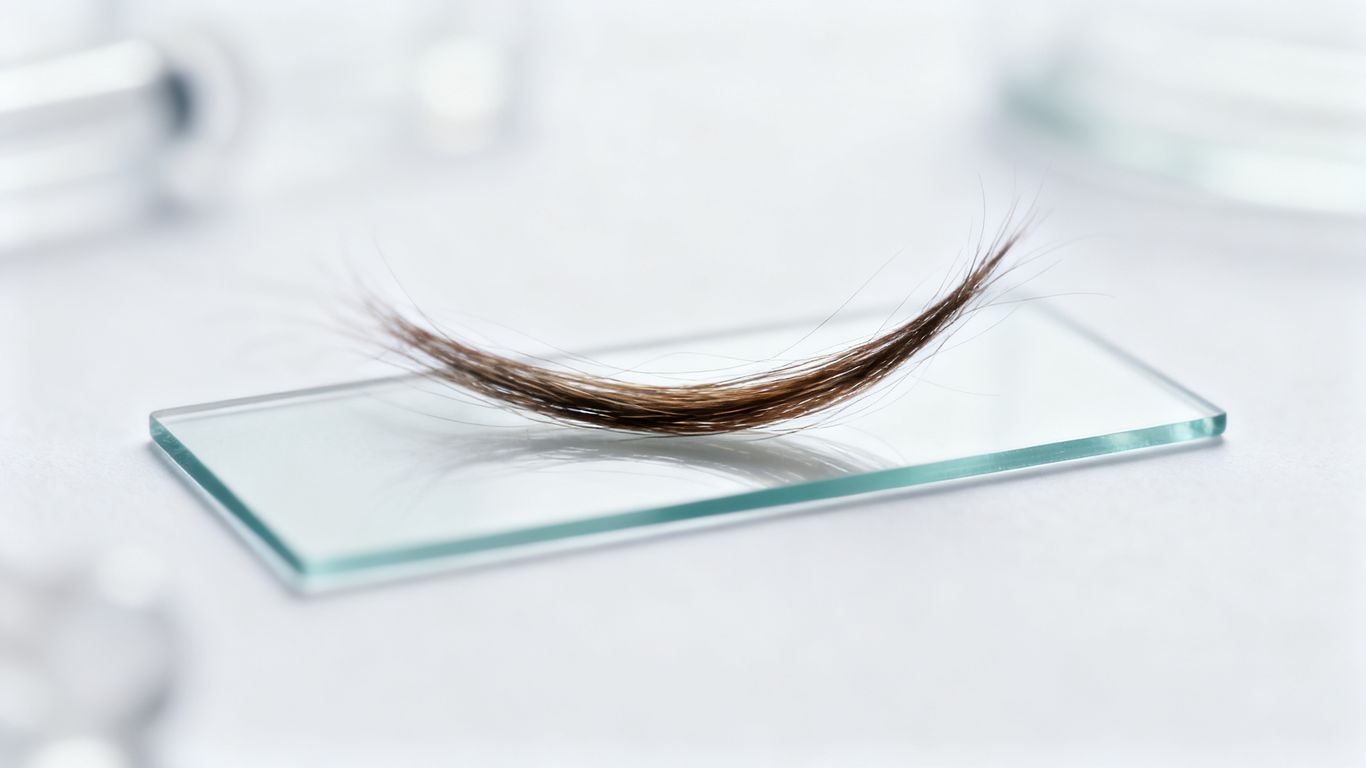
As hair grows, small amounts of the drugs or metabolites circulating in the bloodstream become trapped within the hair structure. This process is permanent for that section of hair, acting like a biological ledger of what has entered the system over time. At Blue Eyes Husky Pups, we know that genetics and health history leave a lasting mark, a concept mirrored in how toxicologists view the hair shaft as a long-term record.
The extended 90-day detection window
The most significant advantage of hair testing is its ability to identify use that occurred months ago. By analyzing a 1.5-inch section of hair, a lab can establish if a person has used the substance within the past three months. This makes it an effective tool for discovering chronic patterns of use compared to the short-term snapshots provided by urine or blood.
Limitations of hair testing for single-use detection
Conversely, hair testing is not always ideal for detecting a one-time, accidental, or very recent exposure. Because the drug takes a week or more to grow out from the follicle into the part of the hair that is actually snipped for sampling, there is a significant lag time. Consequently, a person might try to perform a screening too soon, missing evidence of a recent event entirely.
Individual variables affecting detection
Frequency and quantity of usage
A person who consumes the drug daily will likely test positive much longer than someone who used it once at a party. Chronic usage leads to deeper tissue saturation, meaning the body requires more time to clear out the leftover metabolites from stored fat deposits. Understanding this difference is critical for anyone looking at the timeframe for cocaine to leave body samples.
Personal metabolism and liver function
Different people process toxins at different speeds, which is why there is no single answer that applies to everyone. A liver that functions at peak efficiency will clear metabolites faster, while someone with underlying metabolic issues may hold onto those traces for longer. This variation introduces a natural margin of error in any provided detection chart.
The role of body mass and hydration
Body mass and hydration can also sway the final results of a drug screen. Since metabolites are often lipophilic, individuals with higher body fat percentages may experience longer retention times as the drug is slowly released back into the bloodstream. Conversely, staying well-hydrated helps the kidneys excrete water-soluble byproducts, though this should never be considered a way to “cheat” a professional laboratory test.
Interpreting drug screening results
Cutoff levels for positive results
Labs establish cutoff levels to distinguish between passive, accidental exposure and intentional consumption. These thresholds ensure that false positives from environmental contamination do not result in unfair outcomes. Testing often uses drug test sensitivity for cocaine metrics to ensure that results are accurate and reproducible across different samples and laboratories.
| Test Type | Detection Window | Reliability |
|---|---|---|
| Urinalysis | 3-5 days | High |
| Blood Test | 1-2 days | Very High |
| Hair Test | Up to 90 days | High |
As the data shows, each testing modality is best suited for different timeframes and objectives. Choosing the right tool depends largely on how far back the inquiry needs to extend.
Risk of false positives from cross-reacting substances
While modern testing is highly specific, it is always wise to keep the laboratory informed of any medications currently being taken. Rare cross-reactivity can occur when substances structurally similar to stimulants trigger a false warning, though current technology is robust enough to minimize these occurrences through verification steps like GC-MS analysis.
Timeline for metabolic clearance versus detection windows
It is vital to distinguish between when a substance leaves the body and when it is no longer detectable by a test. A person might feel sober long before their system is officially clean, often by several days depending on the frequency of use. We prioritize clarity when discussing these topics, ensuring that individuals understand the gap between physical sensation and clinical presence.
Conclusion
Navigating the complexities of drug detection requires understanding both the biology of one’s own system and the mechanics of the tests themselves. Whether you are curious about the mechanics of clearance or the reliability of specific screening methods, being informed fosters better decision-making for long-term health.
Frequently Asked Questions
Can drinking a lot of water help me pass a cocaine test?
Drinking water may help with routine hydration, but it does not clear metabolites stored in your body tissues, nor does it override the sensitivity of professional laboratory testing.
Is it possible for a hair test to detect cocaine use from a year ago?
Hair tests are typically restricted to an approximately 90-day window based on standard sample lengths, as hair beyond that period may not accurately represent current internal profiles.
Will second-hand exposure lead to a positive drug test?
While scientifically unlikely given modern test thresholds, environmental exposure is generally not enough to produce a positive result on a standard confirmatory toxicological screening.
Does the method of intake change how long it stays in the system?
Yes, the method of administration—whether snorted, smoked, or injected—influences how quickly the drug enters the bloodstream and how long it remains in specific tissues.
Can exercise speed up the metabolic clearance of cocaine?
Exercise changes blood flow, which may assist in general health, but there is no evidence that vigorous activity can forcibly purge stored drug metabolites from a person’s system.
Are there specific foods that help clear cocaine faster?
There is no scientific basis for using diets or specific foods to accelerate the rate at which your liver processes or your kidneys excrete drug byproducts.
How accurate are at-home drug test kits?
At-home kits provide a quick screening but lack the precision of professional laboratory analysis, which uses confirmatory testing to ensure that common substances do not cause errors.