
Blog
How to Get Cocaine Out of Your System: What Actually Works

Key Takeaways
It is important to know the physiological process of elimination because there are many misconceptions regarding how to clear substances from the body. This guide is about the realities of metabolic clearance and the limitations of common detox methods for substance safety and awareness.
- Cocaine has a short biological half-life, but its metabolites remain in the bloodstream and urine for much longer.
- Flushing the system with too much water or herbal supplements won’t do any good and can actually be detrimental to your kidneys.
- You can’t speed up the enzymatic breakdown that’s happening in the liver with any gym workout or sauna use.
- The only evidence-based method of managing withdrawal and bringing the body to stability is professional medical detox.
- The psychological dependence needs to be addressed, not the physiological detoxification and clearance of the substance, for long-term recovery.
Understanding the metabolism of cocaine
Biological half-life explained
The biological half-life of a substance refers to the time required for its concentration in the plasma to reduce by half. Cocaine is processed rapidly by the body, typically exhibiting a half-life of roughly one hour, which makes it a very fast-acting stimulant. However, while the parent drug disappears quickly, the remnants of what it becomes during breakdown persist in various tissues.
Detecting metabolites in blood and urine
When assessing how long cocaine stays in your system, it is essential to distinguish between the drug itself and its metabolic byproducts. Substances such as benzoylecgonine can remain detectable in urine samples for several days after the initial use. This creates a disconnect between the subjective feeling of being “sober” and the objective findings of a toxicological assessment.
Factors affecting individual processing times
How quickly your body clears these out depends on your individual biology and a few other factors. Genetics, general hydration levels, and existing liver or kidney health affect metabolic velocity. And while some people may clear these traces faster than others, there is no manual way to force or speed up this process through outside intervention.
The science behind detox myths

Why flushing with water is ineffective
Many individuals believe that consuming high volumes of water can help flush their systems, but this is a physiological misunderstanding. Hydration supports general health, but the liver and kidneys process metabolites through enzymatic reactions that are not dependent on water volume. Over-hydration actually risks severe electrolyte imbalance, which can be far more dangerous than the metabolites themselves.
The danger of detox kits and herbal supplements
Marketed solutions often promise rapid clearance, yet these products lack regulated science. Some kits attempt to alter urine pH, which can lead to inaccurate results rather than actual substance clearance. The risks associated with detox kits and herbal supplements include potential interaction with liver enzymes and unintended acute toxicity.
Myths about exercise and sweating
Sweating through intense exercise is frequently cited as a way to “get fit” and detox, yet this does not bypass or expedite the metabolic pathways that breakdown cocaine. Sweating eliminates minimal amounts of substance compared to renal and hepatic processing. Relying on this myth often leaves users in a state of exhaustion, which complicates the body’s attempt to stabilize after stimulant use.
The body’s natural elimination process
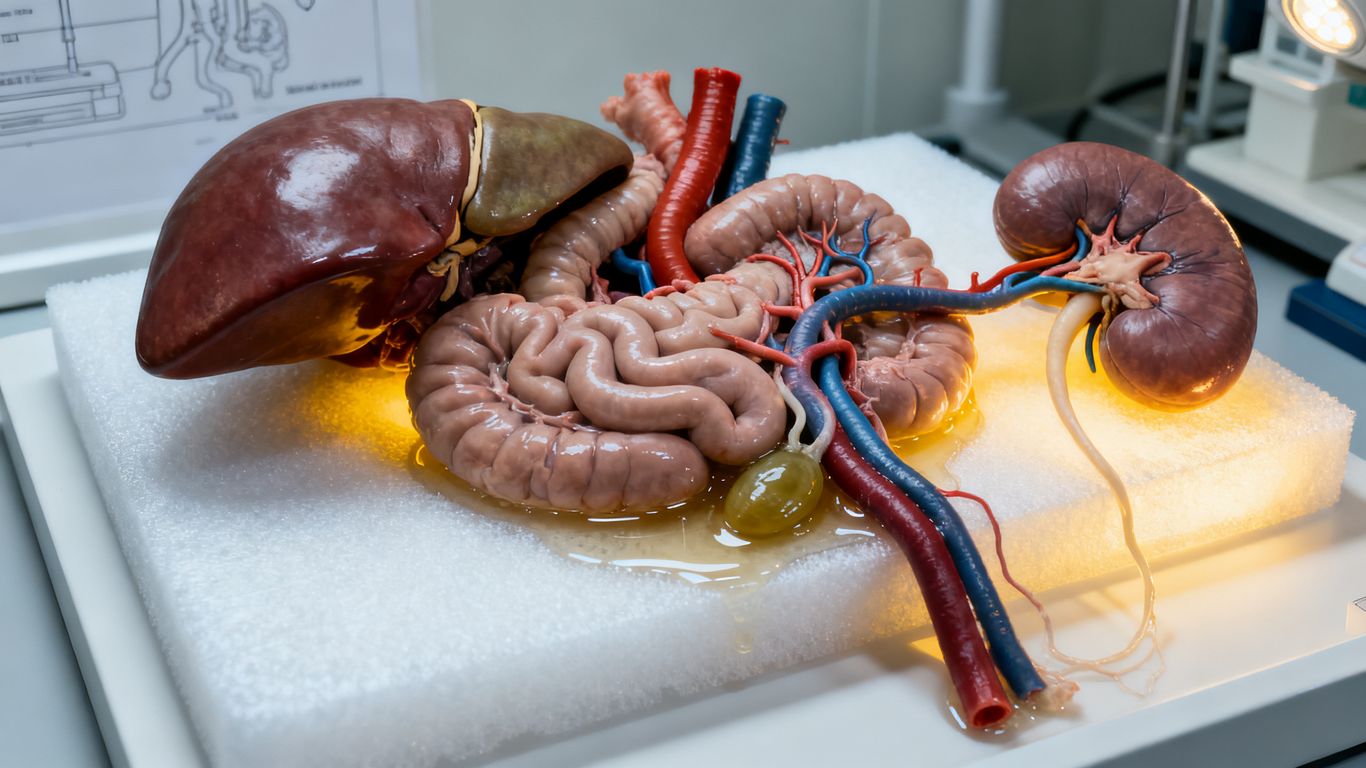
The role of the liver in metabolising benzoylecgonine
The liver is the major processing plant of the body and is involved in converting things to water-soluble metabolites. For cocaine, the drug is converted into benzoylecgonine and ecgonine methyl ester by specific enzymes. It is a complex biochemical conversion that occurs in a fixed manner. The liver has its own metabolic rates and works at its own speed to chemically neutralize cocaine.
Excretion pathways through the kidneys
The liver then successfully converts the parent compound and the metabolites are then taken to the kidneys for final filtration. These are then eliminated from the body in the urine by the kidneys. Because the system is very specific and involves passive transport across membranes, the rate of elimination cannot be increased beyond the capacity of the renal system.
Why time remains the only reliable factor
When considering how to effectively clear the body, it becomes clear that waiting is the only safe method. The following table outlines the approximate detection and clearance timelines for common testing scenarios for those seeking how to get cocaine out of their system: what actually works.
| Test Sample Type | Approximate Detection Window |
|---|---|
| Blood and Saliva | 2 to 3 days |
| Urine Samples | 4 days |
| Hair Follicle | 30 days or longer |
It is vital to recognize these realities. Relying on internet trends often ignores that individual biology is the limiting factor. The following steps capture what is truly essential to assist the body during this biological window:
- Maintain consistent hydration without excessive fluid intake.
- Ensure adequate nutrition to support liver enzyme production.
- Avoid further taxing the renal system with unnecessary supplements.
- Prioritize rest to support the immune function of the liver.
Medical approaches to substance clearance
Tapering and medical supervision
In a clinical environment, the priority is safety and the steady return to baseline functioning. If an individual has been using high-potency products like BIO cocaine or Volkswagen Cocaine, medical professionals may initiate a tapering schedule. This ensures that the physiological system undergoes a controlled reduction rather than a traumatic shock, which protects heart health and respiratory stability during the clearance phase.
Managing withdrawal symptoms in a clinical setting
Withdrawal entails a distinct set of psychological and physical challenges. Inpatient settings allow for constant monitoring to manage anxiety, irritability, and severe fatigue. This environment is designed to handle potential cardiovascular distress, a primary concern when the heart has been under chronic stimulation, ensuring that the clearance process is monitored for acute complications.
Medications used for physiological complications
When physiological complications arise, physicians may use targeted medications to support the cardiovascular system. Supporting recovery involves addressing the specific needs of the body, such as regulating blood pressure. By using established, evidence-based medication protocols, clinical experts help the body maintain stability while it finishes clearing traces of stimulants through its natural channels.
Long-term health and recovery considerations
Addressing the underlying cycles of use
Long-term health begins after the initial physical clearance is complete. Recovery involves investigating why the substance was used and breaking the behavioral habits associated with it. Programs that offer cocaine addiction recovery help users map out the life areas that need adjustment, ensuring that the physical absence of a drug is supported by a comprehensive shift in daily living.
Importance of psychological support during detox
Psychological support is necessary because the mind often remains fixated on reward-seeking behaviors even after the biological system is clear of metabolites. Counseling provides the tools to manage cravings and build mental resilience. This form of support is arguably the most critical component, as it bridges the gap between biochemical detoxification and long-term sustainable sobriety.
Seeking professional evaluation for aftercare
Aftercare planning is essential to ensure that the progress made during a detox period is maintained. Professional evaluation helps determine if an individual needs intensive outpatient support or residential programs. By connecting with legitimate recovery networks, individuals can ensure they are not left to face the risks of heroinforsaleuk.com and other stimulant-related environments without substantial guidance and community backing.
Conclusion
True recovery from stimulant use requires accepting that there are no shortcuts to biological detoxification. While the body naturally filters metabolic byproducts through the liver and kidneys, clinical support is essential to manage the physical and psychological toll of withdrawal. Prioritizing evidence-based care over dangerous myths ensures a safer, more sustainable path toward restoration and health.
Frequently Asked Questions
Is it possible to speed up the process of passing a drug test?
There is no scientifically validated method to accelerate the natural metabolic pathways of the liver and kidneys to clear substances faster for a drug test. Most products promising to speed up clearance are ineffective and may pose health risks.
Why do detox kits for drug tests fail so often?
Detox kits often focus on diluting urine or interfering with lab readings, which does not actually clean the body of metabolites. Laboratories are specifically trained to identify these artificial manipulations, often resulting in failed tests regardless of the kit used.
Can exercise physically push cocaine out of my body faster?
Exercise cannot change the chemical rate at which enzymes break down metabolites in the liver. While regular activity is beneficial for general recovery and health, it does not act as a filter for substance residues in the bloodstream.
How does hydration influence the speed of detoxification?
Normal hydration is necessary for general renal function, but consuming excess water will not force the kidneys to filter metabolites at an increased rate. Excessive fluid intake can lead to water intoxication, which is an unnecessary medical risk.
What are the most common dangers associated with DIY detox methods?
DIY methods often lead to electrolyte imbalances, dehydration, dangerous interactions with untested herbal ingredients, and prolonged health issues. They interfere with your body’s ability to stabilize itself naturally during the recovery phase.
Why does cocaine remain detectable in hair long after other tests show clean results?
Cocaine metabolites become incorporated into the hair shaft through the bloodstream as hair grows. This creates a biological record of use that lasts for weeks or months, unlike blood or urine, which only reflect the recent physiological presence of the substance.
What symptoms commonly occur during the body’s natural clearance phase?
During clearance, individuals often experience fluctuating mood, severe fatigue, intense cravings, and anxiety. Clinical supervision is designed to address these safely instead of forcing the body to clear the substance manually through unproven techniques.